 Translate





Second trimester of pregnancy
– weeks 14–28
Learn about what to expect during your second trimester of pregnancy.
The second trimester includes approximately weeks 14 to 28 of pregnancy. Many patients find this stage more comfortable as early symptoms may reduce, while the body continues to grow and change.
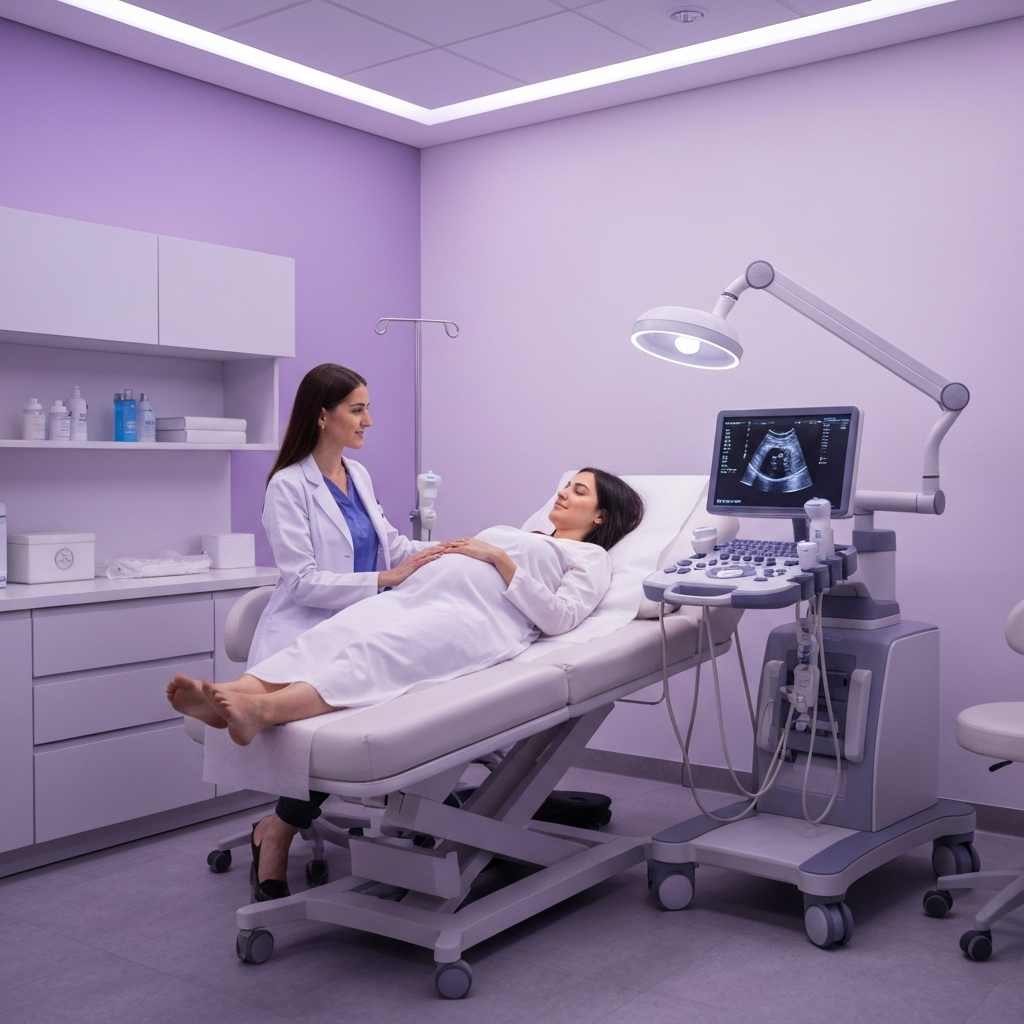
During this stage, important pregnancy checks may include the 20-week anatomy scan, screening for gestational diabetes around 24–28 weeks, and additional guidance depending on the patient’s medical history.
Some patients may experience reflux, changes in sleep, pelvic discomfort, back pain, or concerns about baby movements. V.I.P Specialised Clinic provides professional pregnancy follow-up and personalised guidance throughout this stage.
Trimester overview
Explain second trimester changes, anatomy scan, routine pregnancy follow-up, and preparation for later pregnancy.
As your baby grows, you will attend regular check-ups to monitor development, discuss the anatomy scan, and prepare for the third trimester. These appointments are designed to ensure you and your baby remain healthy and supported.
Fetal movements
Baby movements are often felt between 16 and 24 weeks and may become more regular later in the pregnancy. Experiencing these movements is an important sign of your baby's well-being.
If you are ever concerned about reduced or unusual movements, we encourage you to contact the clinic promptly for a professional assessment.
Gestational diabetes
Gestational diabetes screening is commonly performed during the second trimester, typically between 24 and 28 weeks. This helps to ensure your blood sugar levels are within a healthy range for you and your baby.
Your doctor will guide you through the screening process and advise if any further testing, dietary adjustments, or follow-up is needed.
Rhesus D negative women
Some pregnant patients may require anti-D guidance depending on their blood group and specific pregnancy situation. If you are Rhesus D negative, your doctor will discuss this with you.
This is a standard part of pregnancy care, and your specialist will provide clear, doctor-led advice on any necessary preventative measures.
Short cervix in pregnancy
Cervical length may be assessed during your routine ultrasound scans when clinically appropriate. This helps to monitor the health of your pregnancy and predict any potential risks.
If a short cervix is identified, your doctor will advise you on the best course of action and any follow-up care that may be required.
Whooping cough vaccination in pregnancy
Vaccination against whooping cough may be discussed during your pregnancy to help protect your baby after birth. This is an important consideration for early newborn immunity.
Your doctor can advise you on the best timing for this vaccination based on your individual situation and medical history.
Video Resources
Watch our educational videos to learn more about a healthy second trimester.

Second trimester overview
Learn about the changes and milestones to expect during your second trimester.
Baby movements
Understanding fetal movements and what they mean for your baby's health.

Gestational diabetes
Information on screening, management, and maintaining healthy blood sugar levels.

Healthy eating and activity
Continuing safe and beneficial lifestyle habits throughout your second trimester.
Need guidance during your second trimester?
Our doctors can support you with pregnancy follow-up, scans, and personalised advice throughout this stage.
Book a Consultation
