



First trimester of pregnancy
– weeks 1–13
Learn more about what to expect during your first trimester of pregnancy.
The first trimester includes the time from conception until around 14 weeks of pregnancy. It is often a time of discovery, physical changes, and important early decisions about pregnancy care.
Common changes may include nausea, fatigue, breast tenderness, emotional changes, and mild discomfort. Some patients may also experience concerns such as bleeding or pain, which should be discussed with the clinic.
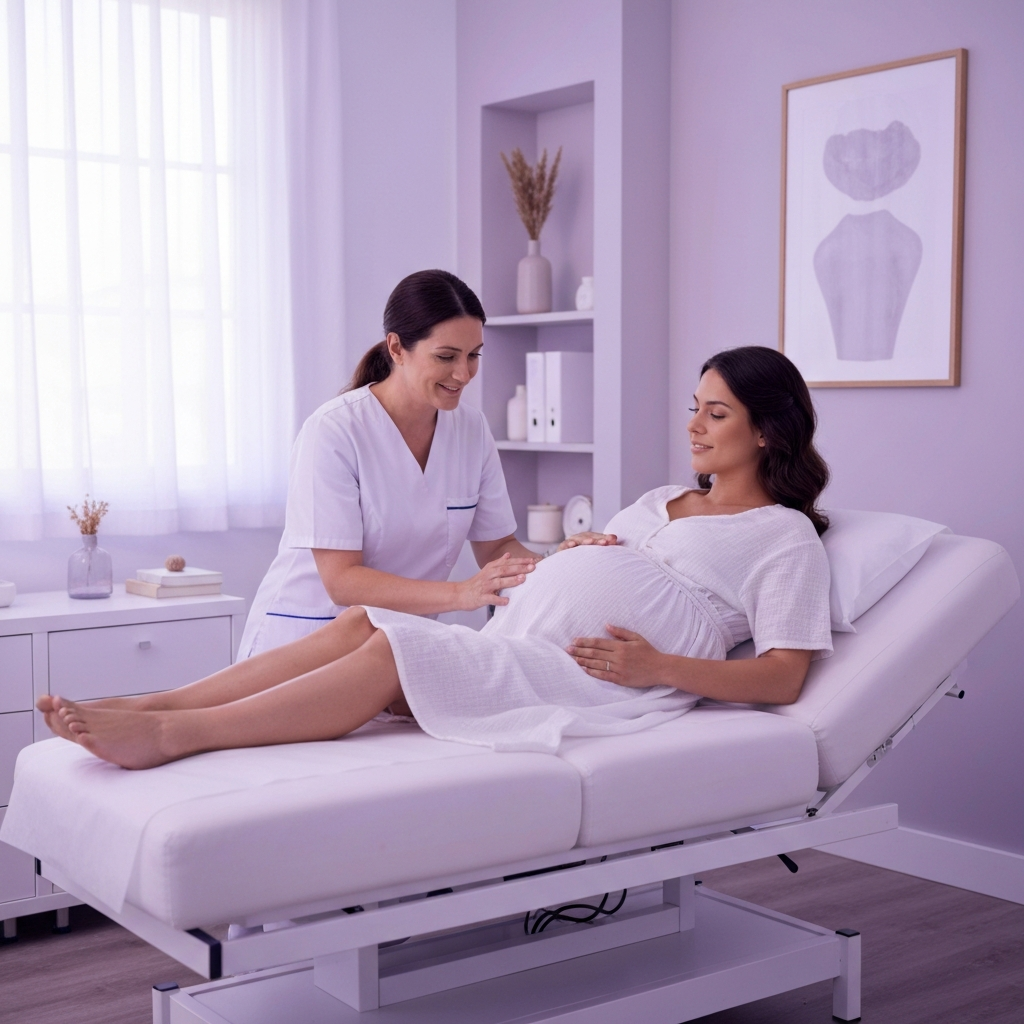
V.I.P Specialised Clinic is here to support patients with professional pregnancy care, early assessments, scans, and guidance throughout the pregnancy journey.
Trimester overview and pregnancy care options
The first trimester is a crucial period of early fetal development. During this time, establishing a clear care plan is essential. Your first consultation typically involves confirming the pregnancy, discussing your medical history, and outlining your care options.
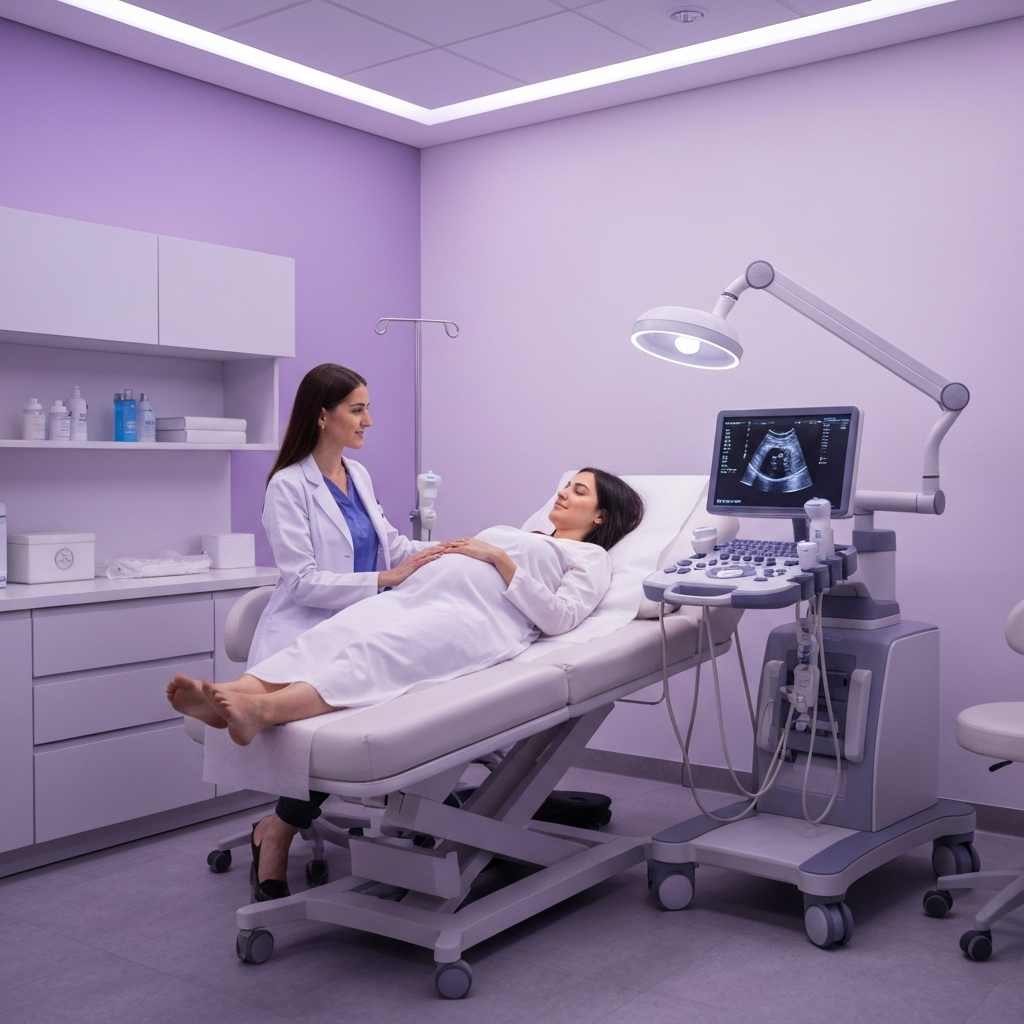
A dating scan is usually performed to confirm the gestational age and estimated due date. This is also an opportunity to discuss your preferences, lifestyle adjustments, and schedule follow-up appointments to ensure comprehensive care throughout your pregnancy.
Tests and investigations in early pregnancy
To ensure the health of both you and your baby, your doctor may advise several routine tests and investigations during the first trimester. These are tailored to your individual health profile and medical history.
Common investigations include early ultrasound scans to check fetal development, standard blood tests to check your blood type, iron levels, and immunity, as well as specific screening tests depending on your situation. Your specialist will guide you through which tests are recommended for you.
Healthy eating and exercise
Maintaining a balanced lifestyle is highly beneficial during pregnancy. Safe, general nutrition involves eating a variety of whole foods, staying well-hydrated, and taking recommended supplements such as folic acid.
Appropriate physical activity is also encouraged. Gentle exercises like walking, swimming, or specific pregnancy yoga can help maintain fitness and manage stress. Always discuss your exercise routine with your doctor to ensure it is safe for your specific pregnancy.
Morning sickness and other discomforts
It is very common to experience physical changes as your body adapts to pregnancy. Symptoms such as nausea (often called morning sickness, though it can happen at any time), profound tiredness, mild abdominal cramps, and breast tenderness are typical in the first trimester.
Resting when needed, eating small, frequent meals, and staying hydrated can help manage these symptoms. However, if nausea prevents you from keeping fluids down, or if discomfort becomes severe, you should consult the clinic for professional advice and support.
Early pregnancy bleeding and ectopic pregnancy
While light spotting can sometimes occur in early pregnancy, any bleeding or sharp, one-sided abdominal pain should always be assessed by a doctor promptly.
These symptoms require professional evaluation to rule out complications such as an ectopic pregnancy (where the pregnancy develops outside the womb) or other concerns. Our clinic provides calm, professional assessment and care for any early pregnancy worries.
CMV in pregnancy
Cytomegalovirus (CMV) is a common virus that is usually harmless, but if caught for the first time during pregnancy, it can sometimes be passed to the baby.
General prevention focuses on good hygiene. We advise regular, thorough hand washing, especially after changing nappies, and avoiding sharing food, utensils, or dummies with young children. Avoiding kissing young children on the mouth can also help reduce transmission risk.
Video Resources
Watch our educational videos to learn more about a healthy first trimester.
Tests and investigations during pregnancy
Learn about the routine scans and tests recommended during your first trimester.

Healthy eating and weight gain
A guide to proper nutrition and healthy lifestyle choices for you and your baby.
Exercise and keeping active
Safe and beneficial ways to stay active during your early pregnancy journey.

Morning sickness and discomforts
Practical advice for managing common early pregnancy symptoms.
Need guidance during your pregnancy?
Our doctors can support you with professional pregnancy care, scans, and personalised advice.
Book a Consultation